
Ekadashi is the 11th and 26th lunar day according to the Vedic or Hindu Calendar. These days are especially favourable for performing austerities and spiritual activities. According to Hindu texts, Ekadashi is very dear to Lord Vishnu, so it is considered a very auspicious day to fast on Ekadashi.
The root Sanskrit word Eka means One, and Dashi is the feminine form of the word “Dasha,” which means “ten.” The word “Ekadashi” literally means eleven, or in our case, the eleventh day of the rising and falling moon.
“Of all plants, Tulasi is dearer to me, Kartika is dearer to me than all months, my beloved Dwarka is dearer to all places of pilgrimage, and Ekadashi is dearest to me”
Padma Purana
Ekadashi promotes purification on the physical, mental, and spiritual plane, gaining the grace of God and liberation from the illusion of material existence. It is said that just a devoted soul who observes complete fasting days on Ekadashi achieves a benefit a hundred times greater than from performing an Ashvamedha-yajna (horse sacrifice).
All Ekadashi 2026 Dates 📢
Types of Ekadashi
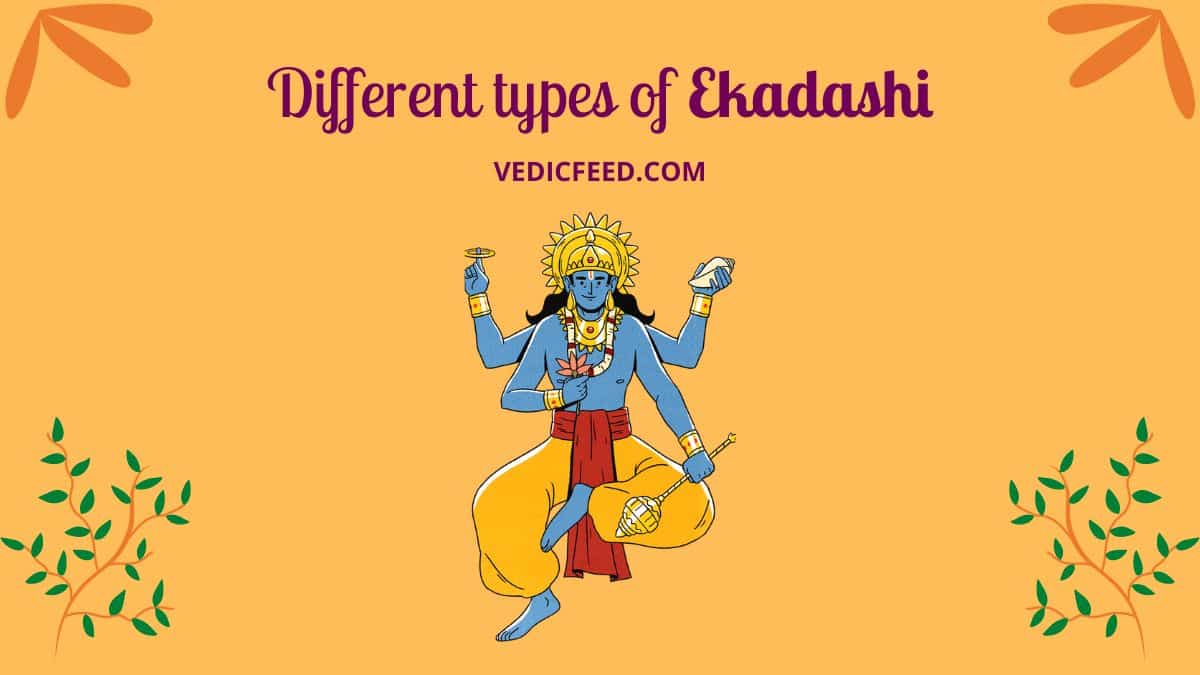
Every month contains two Ekadashis each on Krishna paksha (waning moon) and Shukla paksha (waxing moon), so there are 24 Ekadashis in a year which are:
1. Varuthini Ekadashi
Varuthini Ekadashi falls on the 11th tithi of Krishna Paksha in the month of Baishakh (April/May). Vamana incarnation (avatar) is worshiped on this day. Varuthini means protection; therefore, observing fast on this day will protect the devotee from any misfortunes, and his life will be accompanied by good luck and prosperity.
2. Mohini Ekadashi
Mohini Ekadashi falls on the 11th tithi of Shukla Paksha of Baishakh month. Observing fasting on this Ekadashi can wash away all sins of his current and past life. Mohini is the female embodiment of Lord Vishnu; it is believed Lord Vishnu took this form on this day.
3. Apara Ekadashi
Apara Ekadashi falls on the 11th tithi of Krishna Paksha of Jestha (May and June). Also known as Achala Ekadashi, it is believed fasting on this day will free devotees of all accumulated sins. Complete abstinence from food and worldly forms of pleasures on this day would help a person receive unlimited wealth.
4. Nirjala Ekadashi
Nirjala Ekadashi falls on the 11th tithi of Shukla Paksha of the month of Jestha. The day is commemorated as Pandava Nirjala Ekadashi in honour of the five Pandava brothers. Nirjala Ekadashi Vrata has fasting rules without water, so abstinence from food and water is necessary to complete this fast. It is regarded as the most rigorous and significant of all Ekadashis.
5. Yogini Ekadashi
Yogini Ekadashi falls on the 11th day of each moon cycle of Krishna paksha of Ashadh (June and July). Desisting food on this day and worshipping Lord Vishnu with pure heart and dedication will wash away all your sins and allow you to avoid any diseases and other health problems in the future.
6. Padma/Devshayani Ekadashi
Padma, Devpodhi, Devshayani, or Maha Ekadashi is observed on the 11th day of Shukla Paksha of the Ashadh month. Since Lord Vishnu, after fulfilling his worldly duties, Lord Vishnu began his Sleep on his Shesh Naaga in the milky cosmic ocean for four months. The day is also referred to as Hari Shayani Ekadashi. He wakes up on the day of Prabodhini Ekadashi. Thus, the four months are also called Chaturmas.
7. Kamika Ekadashi
Kamika Ekadashi also cited as Krishna Ekadashi, falls on the 11th tithi of Krishna Paksha of Shravan (July and August). The Krishna incarnation of Lord Vishnu is worshiped on this day to destroy all sins and achieve Moksha (ultimate liberation from the cycle of birth and death). Fasting on this day frees the devotee from Pitri Dosha (curse of ancestors).
8. Shrawan Putrada Ekadashi
The sacred day falls on the Shukla paksha of Shravan month. Supposedly, fasting on this day allows spouses to conceive a long-awaited child if there are problems with this.
9. Parivartini, Vamana or Parsva Ekadashi
Also known as Pavitra or Pavitropani Ekadashi, the day falls on the Krishna Paksha of Bhadra month. It is believed that Lord Vishnu, during his sleep, changed his position from left to right, so the name Parsva Parivartini Ekadashi. Devotees who fast on this day are endowed with eternal happiness and longevity.
10. Ananda/ Aja Ekadashi
Ananda or Aja Ekadashi falls on the 11th tithi of Shukla Paksha of Bhadra (August and September). Lord Vishnu and Goddess Lakshmi are worshipped on this day to receive blessings. Fasting on this day will shower the devotee with unlimited wealth, prosperity, and happiness.
11. Indira Ekadashi
Indira Ekadashi falls on the 11th tithi of Krishna Paksha Ashwin (September and October). The day also coincides with Pitru Paksha (16 days period dedicated to Shradha: a ceremony to honor deceased ancestors). Thus, fasting on this day helps your deceased ancestors’ souls to enter the heavenly worlds. It also helps to wash away your past misdeeds.
12. Papankusha Ekadashi
Papankusha Ekadashi falls on the 11th tithi of Shukla Paksha of Ashwin month. This day is dedicated to Lord Padmanabha (another form of Lord Vishnu). Fasting on this day will bless the devotees with excellent health and everything he does not wish for.
13. Rama Ekadashi
Rama Ekadashi falls on the 11th tithi of Krishna Paksha of Kartik (October and November). The day falls before Dipawali (Greatest Hindu Festival of Lights), and it is believed that followers who observe fast on this holy day will be bestowed with immense wealth, happiness, and sin-free life.
14. Devathuna Ekadashi
Haribodhini Ekadashi or Devauthana Ekadashi falls on the 11th day of Shukla paksha of Kartik month. The day is observed with the greatest zeal as the day is marked by the sacred wedding ceremony of the sacred plant Tulsi and Lord Shaligram (Form of Lord Vishnu). It also marks the end of Chaturmas and the awakening of Lord Vishnu after his four-month-long sleep.
15. Utapanna Ekadashi
Utpanna Ekadashi, also known as Uttpatti Ekadashi, falls on the 11th tithi of Krishna Paksha of Mangsir (November and December). The day symbolizes the victory of Lord Krishna over Murasura and the birth of Ekadashi’s Mother. Therefore, followers who want to begin their Ekadashi fast should start from this day.
16. Mokshada Ekadashi
Mokshada Ekadashi falls on the 11th day of Shukla Paksha of Mangsir. It is also celebrated as the birthday of Bhagavad Gita. As the name implies, observing fast on this day helps the devotee to obtain Moksha and the opportunity to reside permanently on Vaikuntha (Holy abode of Lord Vishnu).
17. Saphala Ekadashi
Saphala Ekadashi falls on the 11th day of Krishna Paksha of Paush (December and January). This day has a sacred meaning for Hindus: it is believed that those who sincerely fast on this day are freed from sins and create the basis for a happy life. Saphala means to succeed; thus, observing fast on this day helps you achieve a successful and happy life in all its manifestations.
18. Pausha Putrada Ekadashi
Putrada Ekadashi falls on the 11th day of Shukla paksha of Paush month. Putrada means giving birth to sons, so those couples intend to give birth to a boy. Sri Narayan is worshiped on this day with the greatest ardor to receive a son with the qualities of Lord Vishnu.
19. Satilla Ekadashi
Sattila Ekadashi is observed on the 11th day of Krishna Paksha of the Magha month (January and February). The day is also known as Magha Krishna Ekadashi, or Tilda Ekadashi, among the followers of Lord Vishnu. Sat means six, and Tila means sesame seeds, so the devotees observing fast on this Ekadashi should offer sesame seeds and water to Lord Vishnu and sesame seeds to their parents and ancestors.
20. Jaya Ekadashi
Jaya Ekadashi is observed on the 11th tithi of the Shukla Paksha in the Magha month. Jaya Ekadashi helps the fasting observers to gain awareness of eternal spiritual bliss. It helps people realise the temporality of worldly pleasures and seek real happiness by serving all living things (plants, animals, and human beings).
21. Vijaya Ekadashi
Vijaya Ekadashi falls on the 11th tithi of Krishna Paksha of Falgun (February and March). Lord Krishna, the eighth avatar of Lord Vishnu, is worshipped on this day. It is said that Lord Rama fasted for the first time on this Ekadashi. Fasting helps the person to accumulate good deeds and achieve Moksha.
22. Amalaki Ekadashi
Amalaki Ekadashi falls on the 11th tithi of Shukla Paksha of Falgun month, characterized by devotees offering honour to Amala (Indian Gooseberry), which is regarded as the residence of Lord Vishnu. The sacred day of Amla Ekadashi also marks the beginning of the colourful festival of Holi.
23. Kamada Ekadashi
Kamada Ekadashi is observed on the 11th day of the Shukla Paksha of the Chaitra month. Kamada means fulfilment of all your desires and dreams. Thus, the followers of the Hindu religion especially celebrate this day with the greatest austerity and devotion.
24. Papmochani Ekadashi
This sacred day falls on the 11th tithi of Krishna Paksha of Chaitra (March and April). It is the last day of all 24 Ekadashi and falls between Holi Festival and Chaitra Navami or Rama Navami. Papa means sins, and Mochani means liberation, so it is an auspicious day to get rid of all your sins and abstain from evil deeds.
Some other famous Ekadashi are:
- Shukla Ekadashi: If the tenth day of the lunar month is incomplete at 1 hrs and 36 minutes before sunrise.
- Vaikuntha Ekadashi: Vaikuntha Dwaram opened on this day.
- Ashadi Ekadashi: Most important of Maharashtra’s Ekadashi.
Ekadashi 2026: list of all Ekadashi Vrat dates in 2026🔔
List of all ekadoshi charts 2026 for this year with time
| Month | Date | Ekadashi Name |
|---|---|---|
| January | 14 Jan 2026 (Wed) | Shat-Tila Ekadashi |
| January | 29 Jan 2026 (Thu) | Jaya/Bhaimi Ekadashi |
| February | 13 Feb 2026 (Fri) | Vijaya Ekadashi |
| February | 27 Feb 2026 (Fri) | Amalaki Ekadashi |
| March | 15 Mar 2026 (Sun) | Papamochani Ekadashi |
| March | 29 Mar 2026 (Sun) | Kamada Ekadashi |
| April | 13 Apr 2026 (Mon) | Varuthini Ekadashi |
| April | 27 Apr 2026 (Mon) | Mohini Ekadashi |
| May | 13 May 2026 (Wed) | Apara Ekadashi |
| May | 27 May 2026 (Wed) | Padmini Ekadashi |
| June | 11 Jun 2026 (Thu) | Parama Ekadashi |
| June | 25 Jun 2026 (Thu) | Pandava Nirjala Ekadashi |
| July | 11 Jul 2026 (Sat) | Yogini Ekadashi |
| July | 25 Jul 2026 (Sat) | Devshayani/Shayani Ekadashi |
| August | 09 Aug 2026 (Sun) | Kamika Ekadashi |
| August | 24 Aug 2026 (Mon) | Shravana Putrada Ekadashi |
| September | 07 Sep 2026 (Mon) | Aja Ekadashi |
| September | 22 Sep 2026 (Tue) | Parivartini / Parsva Ekadashi |
| October | 06 Oct 2026 (Tue) | Indira Ekadashi |
| October | 22 Oct 2026 (Thu) | Papankusha Ekadashi |
| November | 05 Nov 2026 (Thu) | Rama Ekadashi |
| November | 21 Nov 2026 (Sat) | Devutthana / Prabodhini Ekadashi |
| December | 04 Dec 2026 (Fri) | Utpanna Ekadashi |
| December | 20 Dec 2026 (Sun) | Mokshada Ekadashi |
How many Ekadashi are there in a year?
There are 24 Ekadashis in a year, occurring twice each month—once in the Shukla Paksha (waxing phase of the moon) and once in the Krishna Paksha (waning phase of the moon).
However, in a leap years, an extra month (Adhik Maas) is added to the Hindu lunar calendar, increasing the total number of Ekadashis to 26.
Which ekadashi is most powerful?
While all Ekadashis are considered spiritually significant, Nirjala Ekadashi is often considered the most powerful and auspicious.